GAMMATILE™ THERAPY
What is GammaTile Therapy?
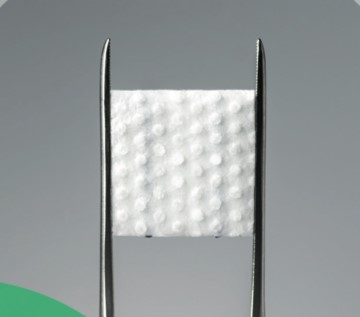
GammaTile therapy is an FDA approved method to deliver radiation therapy directly to the brain. It is a treatment option for patients with brain tumors that can be treated by surgery and is done at the same time as surgery. It is a Surgically Targeted Radiation Therapy (also called STaRT).
How does Gamma Tile™ Therapy work?
Immediately after removing the brain tumor, the neurosurgeon places GammaTile(s) in the area that’s most at risk for recurrence. Like other radiation therapies, GammaTile Therapy works by disrupting the tumor cell replication process. Radiation damages the tumor cell DNA, so the cell is unable to replicate and eventually dies. The collagen tile keeps the radiation sources in place while the radiation is being released. Over time, the body naturally absorbs the collagen tile.
How much Radiation will I receive?
The number of tiles used will depend on the size and location of the tumor and are determined by the neurosurgeon, radiation physicists and oncologist. After the tiles are placed, the tiles immediately begins delivering a uniform radiation dose to the target area.
Who can receive Gamma Tile™ Therapy?
GammaTile Therapy can be used for patients with newly diagnosed malignant brain tumors and recurrent brain tumors. It is used instead of other forms of radioation such as external beam radiation therapy (EBRT) and brachytherapy.
How will I feel using Gamma Tile™ Therapy?
Each patient has a different experience but since GammaTile is placed during tumor removal surgery it is hard to differentiate the feelings from surgical treatment.
Are there side effects to Gamma Tile™ Therapy?
Most patients experience fewer side effects when compared to patients who received other, more traditional repeat radiation treatments although it depends on the on the radio sensitivity of the exposed tissue, the amount of radiation delivered, and the placement of GammaTile(s). Some patients experience post-operative side effects, including nausea, vomiting, headache, sleepiness, neuro-deficit, seizures, and skin irritation. Some people experience hair loss 2–3 weeks after receiving GammaTile Therapy, although it is uncommon.
Because GammaTile is placed during tumor removal surgery, the possible complications of neurosurgery may also apply, including, but not limited to, cerebrospinal fluid leaks, infection, delayed hemorrhage, seizures, and adhesion formation.
What else should I know?
Standard brain surgery incisional care will follow the placement of GammaTile Therapy. The body naturally absorbs the collagen tile and the small, inactive seeds remain in the body
What special precautions are needed?
Since a radioactive implant containing Cesium 131 (131Cs) has been placed into your body, the following precautions are recommended to minimize exposure of family members, visitors, and the general public to radioactive material. Because the amount of radioactive material dissipates or slowly disappears over time, you only need to follow the safety measures outlined below the first 3 weeks after treatment:
-
Stay 6 feet away from other people except for very brief periods. This is most important when you are around children and/or pregnant women.
-
Avoid public transportation, restaurants or crowded spaces.
-
Restrict activities to your house and yard.
-
If you are in a hotel, use room service or order in rather than eating in restaurants.
-
Sleep alone rather than share a bedroom with a partner
What are the benefits?
GammaTile Therapy starts targeting any remaining tumor cells immediately upon placement. Patients receive treatment in the comfort of their own homes, going about their daily life.
Who can’t use Gamma Tile Therapy?
GammaTile Therapy should not be used for patients with known history of hypersensitivity to bovine-derived materials. Possible complications can occur with any neurosurgical procedure, including cerebrospinal fluid leaks, infection, delayed hemorrhage, and adhesion formation.
References
Data on file, GT Medical Technologies, Inc. 2. Lin AJ, Hui C, Dahiya S, et. al. Radiologic response and disease control of recurrent intracranial meningiomas treated with reirradiation. Int J Radiation Oncol iol Phys. 2018;102(1):194-203.
Scossianti S, Franncolini G, Carta G, et al. Re-irradiation as salvage in recurrent glioblastoma: a comprehensive literature review to provide practical answers to frequently asked questions. Crit Rev Oncology. 2018;126:89-91.
Please visit the GT Medical Technologies website at gtmedtech.com/patients for helpful patient resources, including frequently asked questions, videos, and other educational information regarding GammaTile Therapy.