Yeast Infection (Candida Vaginal Infection)
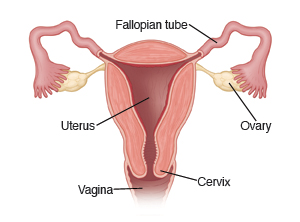
You have a Candida vaginal infection. This is also known as a yeast infection. It's most often caused by a type of yeast (fungus) called Candida. Candida is normally found in the vagina. But if it increases in number, this can lead to infection and cause symptoms.
Symptoms of a yeast infection can include:
Certain factors can make a yeast infection more likely. These can include:
A yeast infection is most often treated with antifungal medicine. This may be given as a vaginal cream or pills you take by mouth. Treatment may last for about 1 to 7 days. Women with severe or recurrent infections may need longer courses of treatment.
Home care
-
If you’re prescribed medicine, be sure to use it as directed. Finish all of the medicine, even if your symptoms go away. Don’t try to treat yourself using over-the-counter products without talking with your doctor first. They will let you know if this is a good choice for you.
-
Ask your doctor what steps you can take to help reduce your risk of having a yeast infection in the future.
Follow-up care
Follow up with your doctor, or as directed.
When to get medical advice
Contact your doctor right away if any of the following occur:
-
You have a fever of 100.4ºF (38ºC) or higher, or as directed by your doctor.
-
Your symptoms get worse, or they don’t go away within a few days of starting treatment.
-
You have new pain in the lower belly or pelvic region.
-
You have side effects that bother you or a reaction to the cream or pills you’re prescribed.
-
You or any partners you have sex with have new symptoms, such as a rash, joint pain, or sores.
Online Medical Reviewer:
Heather M Trevino BSN RNC
Online Medical Reviewer:
Tennille Dozier RN BSN RDMS
Date Last Reviewed:
7/1/2025
© 2000-2026 The StayWell Company, LLC. All rights reserved. This information is not intended as a substitute for professional medical care. Always follow your healthcare professional's instructions.